Points on your Driving License
Points on your Driving License - What happens when you receive points on your Driving Licence, How long do they stay, how many points until you are banned from..link

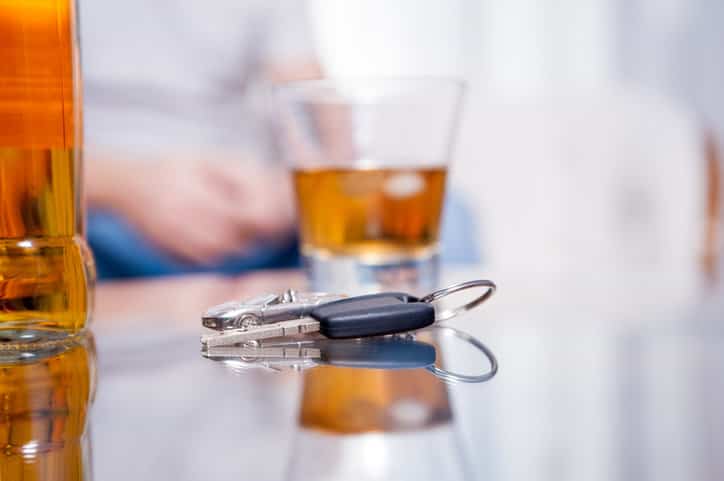
Drink driving is a serious criminal offence. If you are convicted, you may face a driving ban, an unlimited fine, a criminal record, increased insurance costs and, in more serious cases, a custodial sentence.
If you have been stopped, arrested, charged, or asked to attend court for a drink-driving offence, it is important to seek legal advice as soon as possible. These offences can be technical and procedural, and the evidence may include breath, blood or urine results, police observations, custody records and whether the correct procedure was followed.
It is an offence to drive or attempt to drive while over the legal alcohol limit. The prosecution must prove that you were driving or attempting to drive and that the alcohol reading was above the prescribed limit.
A roadside breath test is usually used for screening. If the test is failed, or if there are grounds to suspect a drink-driving offence, the driver may be arrested and taken to a police station for evidential testing. Evidence may come from an approved breath testing device, or from blood or urine testing in appropriate cases.
If convicted of driving or attempting to drive while over the legal limit or while unfit through drink, the court can impose up to 6 months' imprisonment, an unlimited fine and a driving ban of at least 1 year. If you are convicted twice within 10 years, the minimum ban is usually 3 years.
A drink-driving conviction can also remain on your driving record for 11 years, affect your employment, increase your insurance premiums, and create difficulties where driving is required for work or family responsibilities.
The legal alcohol limits in Scotland differ from those in the rest of the UK. In England, Wales and Northern Ireland, the limit is 35 micrograms of alcohol per 100ml of breath, 80mg per 100ml of blood or 107mg per 100ml of urine.
In Scotland, the limit is lower: 22 micrograms of alcohol per 100ml of breath, 50mg per 100ml of blood or 67mg per 100ml of urine. The amount of alcohol needed to exceed the limit varies from person to person, so it is not possible to safely calculate how many drinks will put someone over the limit.
It is an offence to fail to provide a specimen of breath, blood or urine when lawfully required, unless there is a reasonable excuse. A reasonable excuse may involve a genuine medical or mental condition that prevents the person from providing the sample, but this will depend on evidence.
Refusing or failing to provide a roadside breath sample can lead to arrest. Failing to provide an evidential specimen at the police station, hospital, or other authorised location is a serious offence. It can result in a driving ban, a fine, and possible custody.
It is also an offence to be in charge of a vehicle while over the legal alcohol limit or unfit through drink. This can apply even where the person was not actually driving, depending on the circumstances.
The court may consider factors such as where the person was, whether they had the keys, whether the vehicle could be driven, whether they intended to drive and whether there was a realistic risk of driving while over the limit. If convicted, the penalty can include up to 3 months' imprisonment, a fine of up to £2,500 and a possible driving ban.
Drink driving cases can involve a detailed procedure. Issues may arise about the legality of the stop, the request for a specimen, the operation of the testing device, the timing of the test, medical issues, post-driving alcohol consumption, the identity of the driver or whether the police followed the correct process.
If you are accused of a drink-driving offence, write down everything you remember as soon as possible. This may include when you last drank alcohol, what you drank, what you ate, when you drove, where you were stopped, what the officer said, whether you had any medical issues and whether any witnesses were present.
Legal advice should be sought promptly if you are facing a drink-driving allegation. A solicitor can advise whether there is a defence, whether special reasons may apply, what sentence is likely and how best to prepare for court.
You should keep all paperwork from the police and court, including charge sheets, bail notices, postal requisitions, specimen results and any correspondence about your case.
To find a solicitor who may be able to help with drink driving, failing to provide a specimen, driving under the influence or another motoring offence, use the search facility, select Motoring Law and enter your location.



This is a highly specialised area of the Law and covers both aircraft and their facilities as well as many other areas detailed here.
link
As a charity it is important to understand your legal obligations and rights, a Charity Law solicitor swill be able to help with this, find Charity Law Solicitors from Solicitors.com
link
Solicitors.com - if you are looking to take action under the Human Rights Act, understand your rights and how a solicitor can assist you.
link

We have produced a few guides to help you but would recommend that you speak to a solicitor as all situations are different.
link



If you are looking to buy a property abroad you will need expert legal advice, this section details services provided, and offers guidance on how to find a solicitor for your needs.
linkWhat is Double Jeopardy? and is it still Law in the UK?..
linkPoints on your Driving License - What happens when you receive points on your Driving Licence, How long do they stay, how many points until you are banned from..link
Plea services launched on-line for motoring offences -
The Government has launched a new service that allows motorists charged with summary offences to enter a..link
The Law Commission has called for a full review of the law dealing with digital crime...link
Over 2000 section 60 notices have been issued in London last year..
linkChildren and the law - Committing a crime.
A child under 10 will not be charged with a criminal offence but they can face consequences for their actions.
The..link
What is Bail in the UK - If you have been charged with a crime you can be released on bail from the police station, which means you will be able to go home but..link
Family law, Changes to help victims of controlling behaviour.
The Home Secretary had announced new laws to help victims of psychological and emotional abuse b..link
Police Chiefs are calling for a change in the 'stop and search' l..
linkChanges in the police stop and search monitoring | Recommendations have been made to improve the way the police record information when undertaking a stop and s..link
Anyone found in possession of cannabis could be liable to a fine or a prison sentence, cannabis is classed as a B category drug in the UK and is illegal...link
Its time social media worked better with the police...link
Solicitors.com are not a firm of solicitors, and any content on the site should not be used in substitute for obtaining Legal advice from a solicitor regulated in the UK, Solicitors.com recommends that you contact a firm of solicitors to discuss your individual legal requirement. Whilst we strive to bring you accurate up to date content, all content on this site is not legal advice and is not guaranteed to be correct. Use of this site does not create a client relationship.

Step by step guide to help you understand the process of Conveyancing and moving.
link.jpg)
We have put together a few guidance notes for your help with Criminal law matters, if you require a solicitors please use the search facility or ask a question.
link
If you are looking for a commercial solicitor understand your options by contacting one of the 100s of commercial law firms on solicitors.com
link
If you are considering making a claim for Medical Negligence understand your rights and the process, find a medical compensation solicitor via solicitors.com
link
The amount of money owing may dictate the route you take to reclaim your money, we recommend that you discuss your situation with a solicitor, or you can call the CAB on 0808 223 1133.
link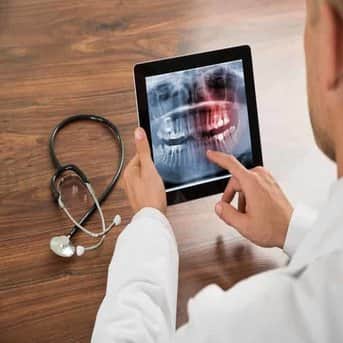
To undertake a dental negligence claim you must have sustained an injury or damage, as a result of the dental treatment understand the options available to you.
link

Family Law Solicitors can help you resolve the problems which may arise in the break-up of relationships, including financial issues and matters concerning any children.
link
Will be able to assist on all areas of Motoring Law for Example Drink Driving, Dangerous Driving, Careless Driving, Totting Up, Speeding, Driving Without Insurance motor offences.
link
Find a solicitor that can assist with wills, probate and estate planning in your area.
link