Motoring Offences | Drugs
It is illegal to drive a vehicle when under the influence of drugs; if you are found guilty of this offence you will face a ban, a fine and a custodial sentence..link

There is no fixed legal age at which a child can be left home alone in the UK. However, it is against the law to leave a child alone if this places them at risk. Parents and carers can be prosecuted if a child is left without suitable supervision, and this amounts to neglect.
Every child is different. A parent should consider the child's age, maturity, confidence, health, needs, safety awareness, and ability to handle an emergency before deciding whether the child can be left alone.
Babies, toddlers and very young children should never be left home alone, even for a short time. Older children may be able to spend short periods alone, but this depends on the individual child and the circumstances.
Important factors include how long you will be away, whether the child knows how to contact you, whether there is a trusted adult nearby, whether the child feels comfortable being left and whether there are any risks in the home.
Leaving a child alone overnight carries a greater risk. Guidance from the NSPCC says children under 16 should not be left alone overnight. Even with older teenagers, parents should consider the child's maturity, emotional wellbeing, practical ability to cope and what support is available if something goes wrong.
If more than one child is being left at home, parents should consider how the children behave together, whether they are likely to argue, whether the older child is mature enough to cope and whether any child has additional needs.
A child under 16 can babysit, but the parent remains responsible for ensuring the children are safe. If something goes wrong, the parent may still be legally responsible.
The law does not set a specific age, but it does make it an offence to leave a child in a situation where they are likely to suffer unnecessary suffering or injury to health. This can include physical harm, emotional harm or being exposed to serious risk.
If a child is harmed or placed at risk, the police or social services may become involved. In serious cases, a parent or carer could face criminal prosecution.
Before leaving a child alone, parents should make sure the child knows how to contact them, what to do in an emergency, whether to answer the door or phone, and which nearby trusted adult to contact. It is also sensible to check that the home is safe and that the child is not frightened or unhappy about being left.
If you are unsure whether your child is ready to be left alone, it is usually safer not to leave them, or to arrange suitable childcare.
To find a solicitor who may be able to help with a child welfare, social services or family law issue, use the search facility, select Family Law and enter your location.



This is a highly specialised area of the Law and covers both aircraft and their facilities as well as many other areas detailed here.
link
As a charity it is important to understand your legal obligations and rights, a Charity Law solicitor swill be able to help with this, find Charity Law Solicitors from Solicitors.com
link
Solicitors.com - if you are looking to take action under the Human Rights Act, understand your rights and how a solicitor can assist you.
link

We have produced a few guides to help you but would recommend that you speak to a solicitor as all situations are different.
link


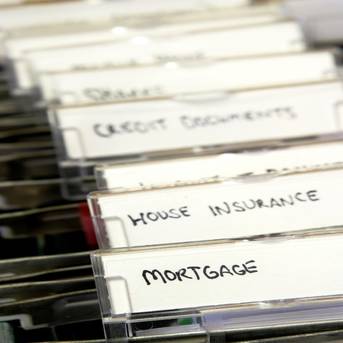
If you are looking to buy a property abroad you will need expert legal advice, this section details services provided, and offers guidance on how to find a solicitor for your needs.
linkGovernment to finally introduce 'no-fault' Divorce laws..
linkIt is illegal to drive a vehicle when under the influence of drugs; if you are found guilty of this offence you will face a ban, a fine and a custodial sentence..link
The domestic violence disclosure scheme named after domestic violence victim Clare Wood has been brought in throughout England and Wales. If you feel you could..link
The law banning legal highs in the UK is to undergo an urgent review...link
What is Double Jeopardy? and is it still Law in the UK?..
linkGovernment to finally introduce 'no-fault' Divorce laws..link
How to change your name | Many people find that they wish to change their name, this can be for any number of reasons...link
Social workers could face up to five years in jail should they prove guilty of wilful neglect towards children, if consultation decides to extend the law to inc..link
Over 2000 section 60 notices have been issued in London last year..
linkIs it right that a child that is groomed online can face a criminal record...link
New TV Licence rules - New Licensing rules apply to all viewers of the BBC iPlayer service,
The change in rules cover all iPlayer programs; previously only vi..link
Anyone found in possession of cannabis could be liable to a fine or a prison sentence, cannabis is classed as a B category drug in the UK and is illegal...link
Solicitors.com are not a firm of solicitors, and any content on the site should not be used in substitute for obtaining Legal advice from a solicitor regulated in the UK, Solicitors.com recommends that you contact a firm of solicitors to discuss your individual legal requirement. Whilst we strive to bring you accurate up to date content, all content on this site is not legal advice and is not guaranteed to be correct. Use of this site does not create a client relationship.

Step by step guide to help you understand the process of Conveyancing and moving.
link.jpg)
We have put together a few guidance notes for your help with Criminal law matters, if you require a solicitors please use the search facility or ask a question.
link
If you are looking for a commercial solicitor understand your options by contacting one of the 100s of commercial law firms on solicitors.com
link
If you are considering making a claim for Medical Negligence understand your rights and the process, find a medical compensation solicitor via solicitors.com
link
The amount of money owing may dictate the route you take to reclaim your money, we recommend that you discuss your situation with a solicitor, or you can call the CAB on 0808 223 1133.
link
To undertake a dental negligence claim you must have sustained an injury or damage, as a result of the dental treatment understand the options available to you.
link

Family Law Solicitors can help you resolve the problems which may arise in the break-up of relationships, including financial issues and matters concerning any children.
link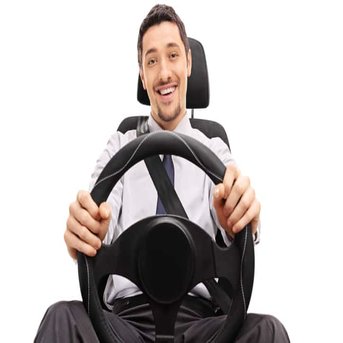
Will be able to assist on all areas of Motoring Law for Example Drink Driving, Dangerous Driving, Careless Driving, Totting Up, Speeding, Driving Without Insurance motor offences.
link
Find a solicitor that can assist with wills, probate and estate planning in your area.
link